

An unconstitutional search can result in drug evidence being thrown out of court entirely, and without that evidence, prosecutors in Colorado often cannot prove the case.
Both the U.S. Constitution and the Colorado Constitution protect individuals from unreasonable searches and seizures, and Colorado courts have at times interpreted the state constitution to provide broader protections than those required by federal law. At the Law Office of Kimberly Diego, our Denver criminal defense team has challenged unlawful searches in drug cases across Colorado since 2009.
When Police Need a Warrant to Search in Colorado Drug Cases
The default rule is that police need a warrant before searching a person, a home, or a vehicle for drugs. To get a warrant, an officer must present a judge with a sworn statement establishing probable cause to believe evidence of a crime will be found in the place to be searched. The warrant must describe the place and the items to be seized with specificity.
Warrantless searches of a home are presumptively unconstitutional, and the prosecution bears the burden of proving an exception applied. In drug cases, the legality of the search often determines whether the case survives, because without the physical evidence, the state has nothing to prosecute.
Common Exceptions to the Warrant Requirement
Several exceptions allow police to search without a warrant, and each one comes up regularly in Colorado drug cases:
- Consent searches, where you agree to the search. Colorado law requires officers to inform you that you have the right to refuse before proceeding
- Plain view, where an officer lawfully present in a location sees contraband out in the open
- Search incident to arrest, which allows officers to search a person and the area within reach after a lawful arrest
- The automobile exception permits a warrantless vehicle search when officers have probable cause to believe it contains evidence
- Exigent circumstances, which apply when officers reasonably believe evidence is about to be destroyed
Our Denver criminal defense lawyer examines every exception the prosecution relies on because each one has specific requirements officers frequently fail to meet.
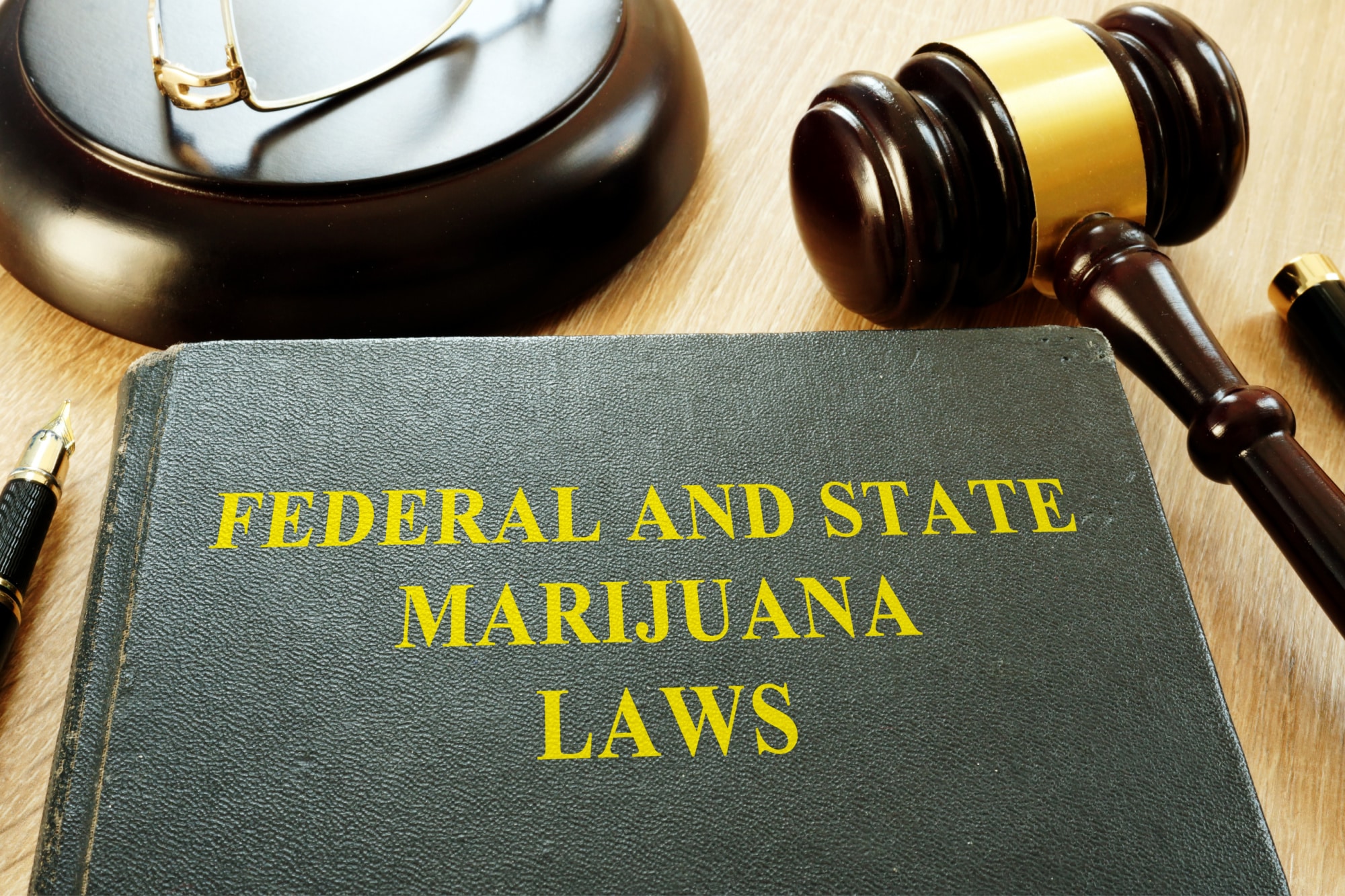
How Colorado’s Marijuana Laws Changed Search and Seizure Rules
Since Colorado legalized recreational marijuana, the search and seizure landscape has shifted significantly. Colorado courts have addressed whether the smell of marijuana alone still gives police probable cause to search a vehicle now that possession of certain amounts is legal.
Courts have found that because marijuana possession can be both legal and illegal depending on the amount, the smell standing alone may not justify a warrantless search the way it did before legalization. This matters because the odor of marijuana was historically one of the most common justifications officers used to search vehicles during traffic stops. Our Colorado criminal defense lawyer evaluates whether the officer’s stated reason holds up under current Colorado case law.
What Happens When Drug Evidence Is Suppressed
When a court agrees that a search was unconstitutional, the drugs and any evidence that flowed from the illegal search are excluded from trial. This includes evidence discovered as a direct result of the initial violation, not just the drugs themselves.
Once the core physical evidence is gone, prosecutors must either proceed with whatever remains or dismiss the case. In many drug possession cases, suppression effectively ends the prosecution because the drugs are the entire case. Our drug defense team files suppression motions in every case where the facts suggest the search was constitutionally deficient.
Types of Drug Charges Affected by Search and Seizure Challenges
Search and seizure challenges apply across the full range of Colorado drug offenses:
- Simple possession of a controlled substance
- Possession with intent to distribute
- Distribution and manufacturing charges
- Drug felony classifications at all levels
The severity of the charge determines the sentencing range, but the legality of the search determines whether evidence reaches the courtroom at all. Our criminal defense attorney reviews the search in every drug case because the legality of that search often matters more than the quantity of drugs involved.

Kimberly Diego Has Challenged Unlawful Searches Across Colorado Since 2009
Drug charges built on an illegal search do not have to result in a conviction. The Law Office of Kimberly Diego is one of Colorado’s few female-owned criminal defense practices, recognized by the National Trial Lawyers and America’s Top 100 Attorneys, and offers bilingual representation in English and Spanish, along with free 45-minute consultations. Contact us online to discuss your case with our Denver criminal defense lawyer.