A criminal accusation can put your freedom, record, career, and family relationships at risk before you have had a meaningful chance to explain what happened. If you were arrested, received a summons, learned you are under investigation, or have an upcoming court date in Aurora, early legal guidance can help you avoid preventable mistakes and start building your defense.
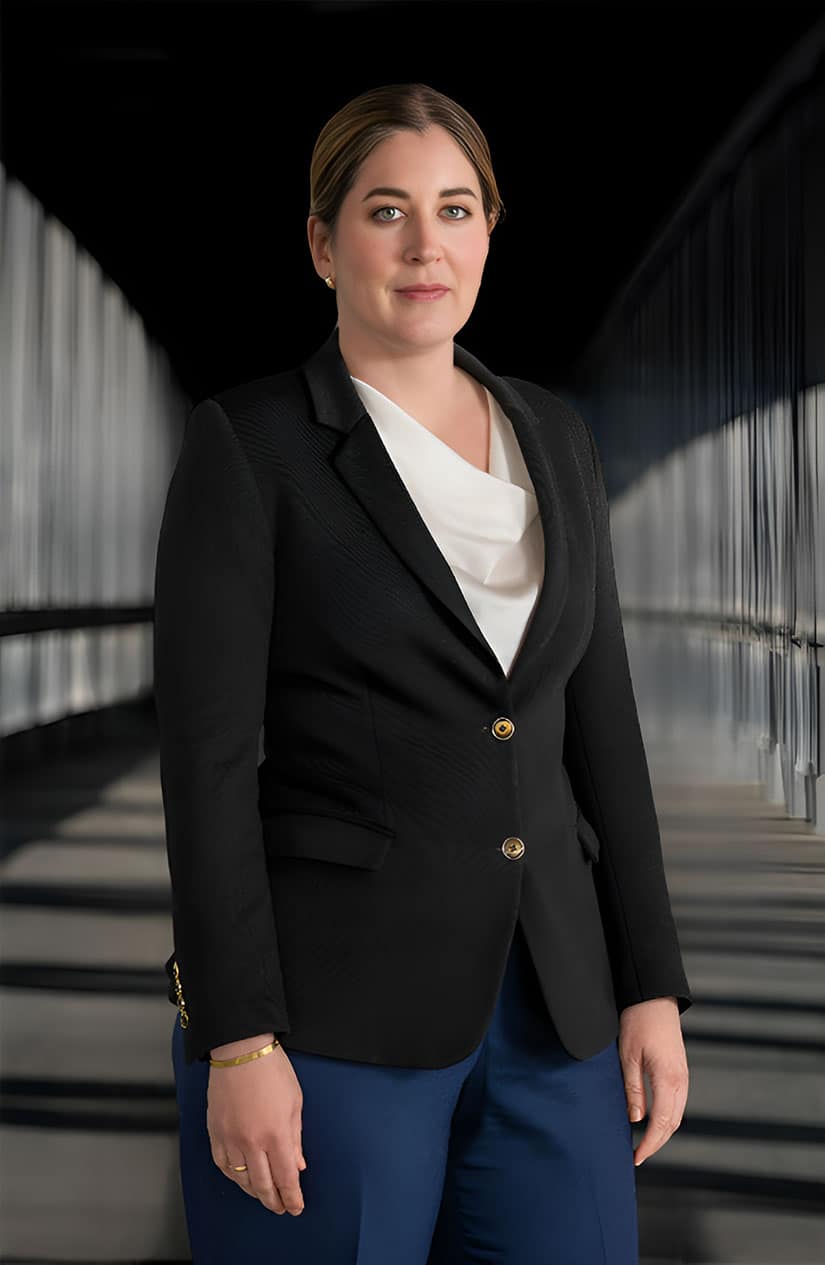
Aurora criminal defense lawyer Kimberly Diego represents people facing municipal violations and Colorado criminal charges, including DUI, domestic violence, assault, drug offenses, theft, weapons charges, sex offenses, and felonies. She works directly with clients to understand the evidence, explain the court process, and build a strategy around the specific facts and consequences of the case.
Focused Colorado Criminal Defense and Direct Attorney Attention
Kimberly Diego has focused her legal career on criminal defense. She earned her J.D. from the University of Colorado School of Law, interned with the Colorado State Public Defender’s Office, was admitted to the Colorado bar in 2008, and founded her firm in 2009. Her practice is built around personal involvement, clear communication, and careful preparation at each stage of a case.
When you hire Kimberly, your defense is not treated as a generic file. She reviews the allegations, police reports, recordings, witness accounts, physical or digital evidence, and the personal consequences that matter to you. Depending on the case, the work may include challenging an unlawful stop or search, testing whether the prosecution can prove every element, preserving favorable evidence, negotiating from a fact-based position, or preparing for trial.
Criminal Charges Kimberly Diego Defends in Aurora
The practice-area directory below provides more information about the municipal, misdemeanor, felony, traffic, and juvenile matters Kimberly handles. If your exact charge is not listed, contact the firm to discuss whether she can help.
The court named on the summons, bond paperwork, or charging document matters. The City of Aurora covers portions of Arapahoe, Adams, and Douglas counties, so a state criminal case may proceed in different county or district courts depending on where the alleged offense occurred and how the case is charged. Aurora also has its own municipal court system.
Aurora Municipal Court. The City Attorney’s Criminal Justice Division prosecutes alleged violations of Aurora municipal ordinances and regulations. Municipal cases can still affect a person’s record, employment, driving privileges, and freedom, depending on the charge and outcome.
Arapahoe County courts. Many state cases connected with Aurora proceed through the 18th Judicial District, including matters at the Arapahoe County Justice Center in Centennial.
Adams County courts. Cases arising in the Adams County portion of Aurora may proceed in the 17th Judicial District at the Adams County Justice Center in Brighton.
Douglas County courts. A case arising in Aurora’s smaller Douglas County portion may fall within the 23rd Judicial District, which was established in 2025.
Confirm court assignments, appearance requirements, and deadlines in the case documents. Missing court or relying on assumptions about venue can create additional problems. Kimberly can identify the correct court, review the allegations, and explain what should happen next.
What to Do After an Arrest, Summons, or Investigation
The right next step depends on whether police are still investigating, charges have been filed, or a court has already imposed bond or protection-order conditions. In the meantime:
Use your right to remain silent. You can provide basic identifying information without answering investigative questions or trying to persuade an officer, detective, alleged victim, or witness.
Do not consent to a search without legal advice. Police may seek permission to search a vehicle, phone, home, account, or other property even without a warrant.
Follow every court order. Bond conditions and criminal protection orders remain enforceable unless the court changes them, even if another person invites contact.
Preserve relevant evidence. Save messages, photographs, videos, receipts, location information, names of witnesses, and other material that may help reconstruct events. Do not alter, delete, or manufacture evidence.
Track every deadline. Court appearances, DMV deadlines in DUI matters, and deadlines connected with bond or release conditions may arrive quickly.
Get advice before the first major decision. A lawyer may be able to help during an investigation, before formal charges, or before a plea or statement limits the available options.
An arrest is not a conviction, and the police narrative is not the final word. A defense begins with an independent review of what the government must prove and whether the evidence actually supports each allegation. Depending on the facts, Kimberly may examine:
Whether police had lawful grounds for a stop, detention, search, arrest, or interrogation
Whether body-camera video, dispatch records, 911 calls, surveillance footage, phone data, photographs, or forensic evidence contradict the written report
Whether witness statements are reliable, complete, and consistent with other evidence
Whether the prosecution can prove identity, intent, possession, injury, value, or another required element beyond a reasonable doubt
Whether self-defense, defense of another, mistaken identity, lack of knowledge, or another fact-specific defense applies
Whether mitigation, treatment, restitution, or other proactive steps could improve negotiations without conceding disputed facts
How a proposed resolution could affect immigration status, employment, professional licensing, firearm rights, driving privileges, housing, or record-sealing eligibility
The appropriate strategy may involve targeted negotiations, motions to suppress or exclude evidence, a trial defense, or a combination of approaches. No attorney can promise a particular result, but careful preparation can expose weaknesses and help the client make informed decisions.
Defense for High-Stakes Criminal Charges in Aurora
DUI and DWAI
A Colorado DUI or DWAI case can create both a criminal court case and a separate driver’s license problem. The defense may require prompt review of the traffic stop, roadside testing, chemical-test procedures, body-camera footage, and DMV deadlines.
Domestic Violence Allegations
In Colorado, domestic violence is generally a designation attached to an underlying offense rather than a stand-alone charge. An arrest can quickly lead to a protection order, no-contact terms, residence restrictions, and firearm issues. The complaining witness cannot simply dismiss the prosecution, so the evidence and court orders must be addressed through the proper legal process.
Assault, Weapons, and Other Violent-Crime Allegations
Assault, weapons charges, and other violent-crime allegations can turn on intent, injury evidence, self-defense, witness credibility, and the precise sequence of events. Early preservation of recordings, photographs, and third-party witness information may be especially important.
Kimberly provides focused criminal defense representation and works directly with her clients. She explains the strengths and weaknesses of the case in plain language, prepares clients for each stage, and develops a strategy based on the evidence rather than assumptions about what normally happens.
Her experience includes municipal, county, and district court matters throughout Colorado. Clients can review testimonials and recent criminal defense case results. Prior results do not guarantee a similar outcome in a future case.
Criminal Defense Representation Across Colorado
Kimberly represents clients in Aurora and in courts throughout Colorado, including the following communities:
Frequently Asked Questions About Aurora Criminal Cases
Which court will handle my Aurora criminal case?
It depends on the charge and where the alleged offense occurred. Aurora Municipal Court handles alleged violations of city ordinances. State cases may proceed in Arapahoe, Adams, or Douglas County courts because Aurora extends into all three counties. Check the court listed on your summons, bond paperwork, or charging document, and have an attorney confirm the location and deadline.
Should I talk to Aurora police if I believe I can explain what happened?
You generally have the right to remain silent and ask for a lawyer before answering investigative questions. Even a truthful explanation can be misunderstood, taken out of context, or used to fill gaps in the investigation. Get legal advice before deciding whether any statement is in your interest.
Can a lawyer help before formal charges are filed?
Sometimes. Pre-filing representation may allow counsel to communicate with investigators or prosecutors, preserve favorable evidence, prepare the client for possible next steps, and address inaccuracies before a charging decision. Whether intervention is appropriate depends on the facts.
What if I miss an Aurora court date?
Missing court can lead to a warrant or other consequences. Do not ignore the problem or assume it will be rescheduled automatically. Confirm the case status promptly and speak with a criminal defense attorney about the safest way to address the missed appearance.
Speak With an Aurora Criminal Defense Lawyer
The period immediately after an arrest, summons, or contact from an investigator can shape the rest of the case. Before you make a statement, miss a deadline, contact a protected person, or allow important evidence to disappear, get advice tailored to your situation.
Call the Law Office of Kimberly Diego at (720) 257-5346 or contact the firm online to schedule a free, confidential consultation about a criminal matter arising in Aurora.
When a juvenile is arrested in Colorado, the child may be released to a parent or responsible adult, referred for detention screening, or held for a prompt detention hearing. If the child remains in custody, the hearing generally must occur within 48 hours, excluding Saturdays, Sundays, and legal holidays. The district attorney then decides whether to file a delinquency petition, offer diversion, or decline to prosecute formally. Decisions made during
Short answer: A Denver arrest does not automatically create a Colorado extreme risk protection order. However, allegations or evidence connected to the arrest can prompt an eligible person or agency to file a separate civil ERPO case. That case may move much faster than the criminal charge.
Police reports, witness accounts, alleged threats, statements about self-harm, and information about firearm access may all become relevant to an ERPO petition. The
A report from a mandatory reporter does not automatically mean a parent will be arrested, charged with a crime, or separated from a child. The report is routed to the appropriate Colorado county for screening. The county may screen it out, assign it to a family-focused or high-risk assessment track, or coordinate with law enforcement when the allegations may involve a crime or an immediate safety concern.