





















































































































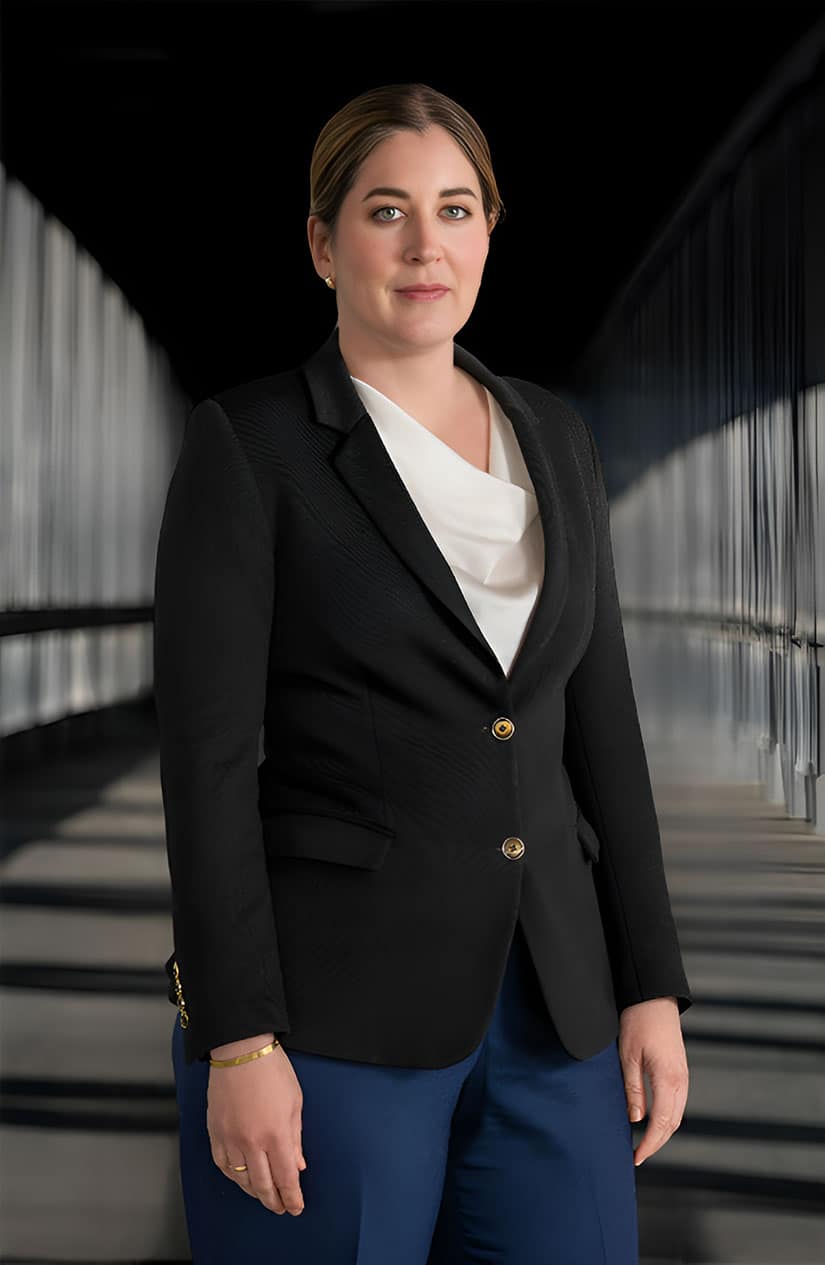

If you are not a resident of Colorado, and receive a DUI or DWAI ticket in Colorado, you need to hire a Denver DUI Attorney experienced in handling cases for defendants who live out of state. Ms. Diego has handled drunk driving cases for many individuals who received DUI tickets while visiting Colorado for either business or leisure.
Your Denver DUI attorney can go to court on your behalf and negotiate a plea resolving your case. Typically, your Denver DUI attorney will be able to resolve your case without any need for you to return to Colorado. Your attorney can usually work out a plea that avoids the typical requirements of alcohol education and/or therapy, and, possibly, jail.
Should trial be appropriate in your case, you will need to return to Colorado for your trial.
If you live out of state but received a drunk driving ticket in Denver, please contact Kimberly Diego for a free and confidential consultation regarding your case.
If you have been charged with a DUI or DWAI and are looking for representation call Kimberly now at (720) 257-5346 for a FREE 45 min consultation.
When someone is charged with a crime, the courtroom becomes a place where every part of their life is examined. Police reports and prosecutor arguments rarely capture the full picture of who that person is outside the incident. This is where character witnesses can carry meaningful weight. Their testimony gives the judge or jury access to a side of the defendant that the case file alone cannot reflect.
Colorado enforces strict laws for bias-motivated crimes, increasing penalties for acts rooted in prejudice. These laws aim to protect vulnerable groups and deter discrimination, but facing an accusation can lead to harsh penalties and lasting stigma.
If you are under investigation or charged with a hate crime in Denver, it is critical to understand how prosecutors build these cases and what defenses may apply. Early intervention from a Denver criminal
Restraining orders play a major role in Colorado domestic violence cases, designed to protect alleged victims and prevent further conflict. However, these orders can also lead to confusion and unintended violations, especially when the terms are unclear or communication happens through third parties or shared responsibilities such as child custody. What may seem like a harmless text message, a social media interaction, or even an unplanned encounter can result in